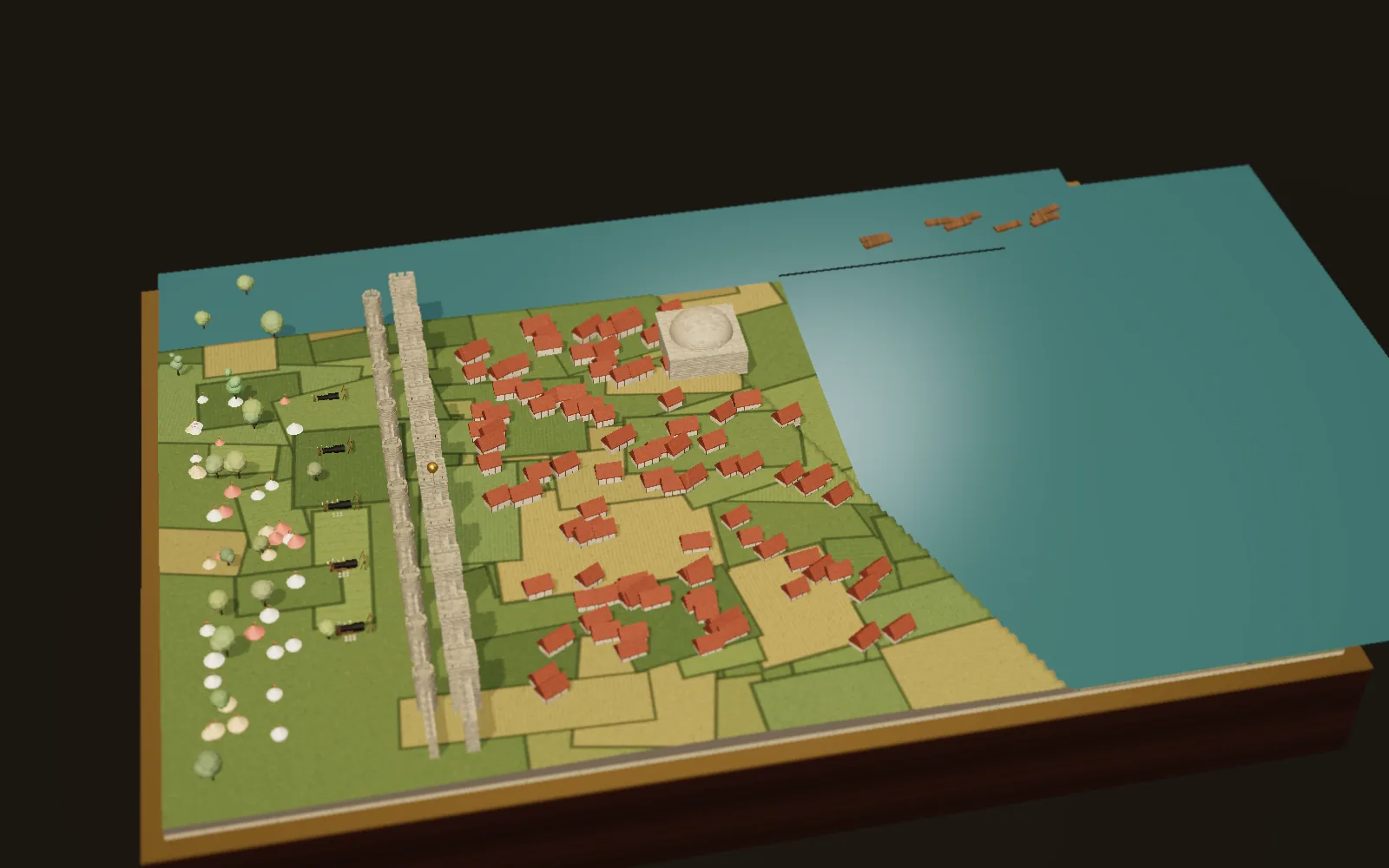
For a thousand years, the triple land walls of Constantinople, built in the 5th century under Theodosius II, had turned back every attacker who tried to storm them. By 1453 the Byzantine Empire was reduced to little more than the city itself, and the young Ottoman sultan Mehmed II was determined to take it.
Mehmed gathered a vast army and an artillery train that included enormous bombards, the largest cast by a founder named Orban, who had first offered his services to the Byzantines. The siege began in early April. The great guns fired only a few times a day, but each shot tore holes in the old walls, which the defenders patched at night with earth, timber and barrels.
A chain boom kept the Ottoman fleet out of the city's harbour, the Golden Horn. On 22 April Mehmed had dozens of ships dragged overland on greased rollers behind the Genoese town of Galata and launched into the harbour, forcing the defenders to spread themselves even thinner. Ottoman miners dug under the walls, but defenders led by an engineer named John Grant found and destroyed their tunnels.
The defenders numbered perhaps 7,000 or 8,000 against an army many times larger. After repeated attacks, the final assault came before dawn on 29 May. When Giustiniani was badly wounded and carried from the walls, the defence near the breach faltered, and Ottoman troops broke into the city. Constantine XI is believed to have died in the fighting; his body was never certainly identified.
Constantinople was sacked, then rebuilt as the Ottoman capital. The fall became one of the great turning points of history, and the guns that made it possible changed fortification forever.
What is uncertain
- Orban's great bombard is described very differently: barrel lengths of about 8 m and balls of about 500–600 kg are often given, but the sources are imprecise and some modern writers think its role has been exaggerated.
- The Ottoman army is put at anything from about 50,000 to over 100,000 by modern historians; contemporary claims of 200,000 or more are not credible.
- The story that a small gate, the Kerkoporta, was left open and let the first Ottomans in comes from one chronicler and may be legend.
Why it mattered
Constantinople is the classic case of gunpowder overcoming medieval walls. Tall, thin masonry that had resisted every earlier weapon could now be smashed by guns fired steadily at one spot. Within decades, engineers began designing fortifications for the age of artillery: lower, thicker and angled.