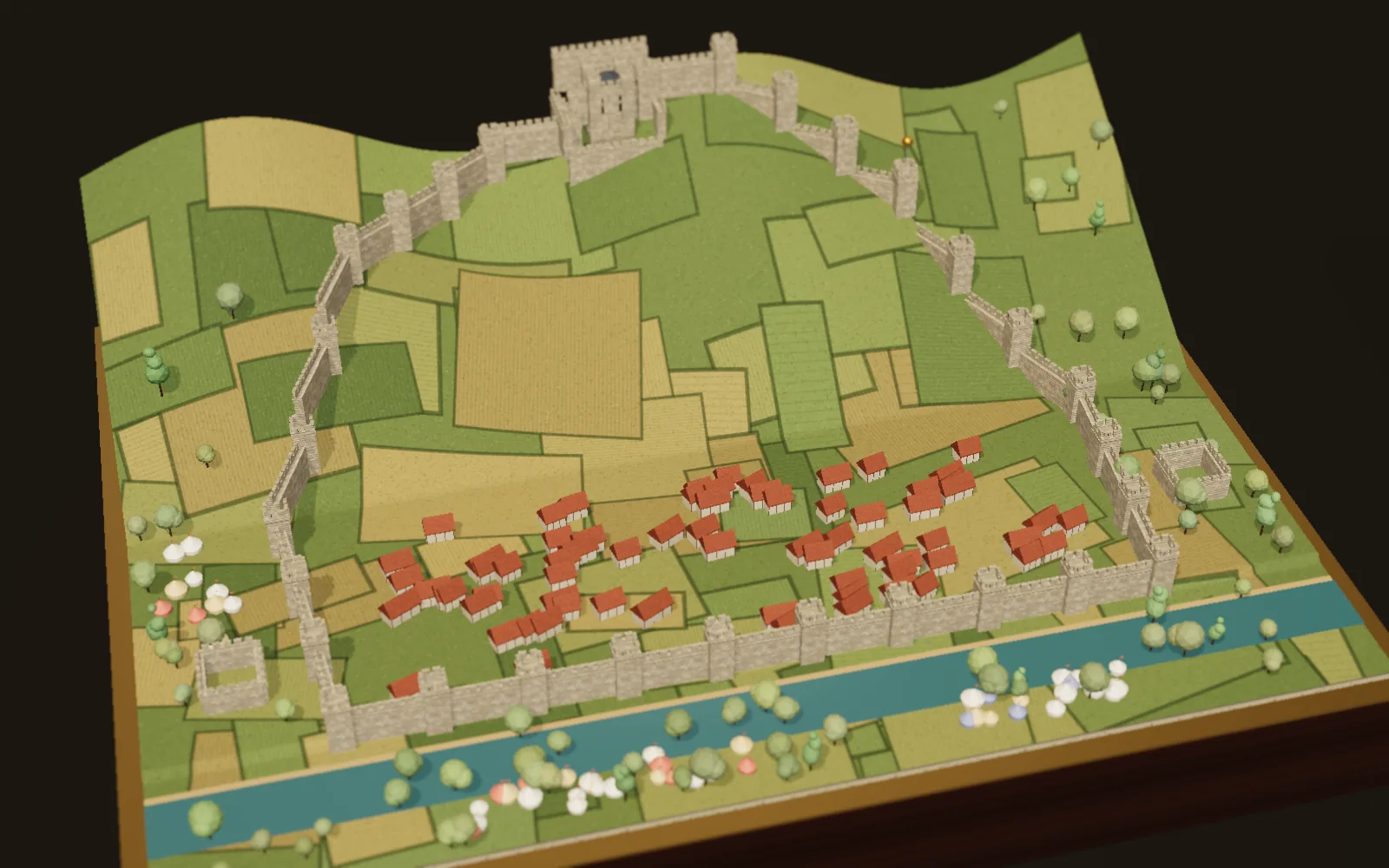
Antioch was one of the great cities of the eastern Mediterranean. Its walls, largely rebuilt by the Byzantines, ran for roughly 12 km from the river Orontes up the steep slopes of Mount Silpius to a citadel on the summit, with hundreds of towers along the way. When the armies of the First Crusade arrived in October 1097, they were far too few to surround it completely.
The crusaders blockaded the gates they could reach and built small siege forts to close the roads. Their stone-throwers did little against such walls. Through the winter, it was the besiegers who starved: foraging parties ranged ever further, horses died in great numbers and many men deserted. The city, supplied through gates on the mountain side, held out.
Bohemond of Taranto found another way. He made secret contact with a man inside, usually named as Firuz, an Armenian or a convert who commanded a tower on the walls. On the night of 2–3 June 1098, crusaders climbed a ladder to that tower, opened a nearby gate and the city fell. Many of its inhabitants were killed in the sack; the citadel on the summit held out.
The crusaders' triumph lasted only days. A large relief army under Kerbogha, atabeg of Mosul, arrived and surrounded the city, trapping the crusaders, now short of food again, between the citadel and the besiegers outside. Morale collapsed until a pilgrim, Peter Bartholomew, claimed to have found the Holy Lance buried in a church.
On 28 June 1098 the crusaders marched out and attacked. Kerbogha's coalition, divided by rivalries among its leaders, broke apart and fled. The citadel surrendered. Antioch became the capital of a crusader principality under Bohemond, and the road to Jerusalem lay open.
What is uncertain
- The traitor's name, faith and motive differ between Latin, Armenian and Arabic sources; some say he had been fined or insulted by the governor, others that he was simply bribed.
- Many crusaders at the time doubted the Holy Lance was genuine, and Peter Bartholomew died after an ordeal by fire meant to prove it.
- Army sizes are very uncertain; modern estimates for the crusaders at Antioch range from about 30,000 to over 50,000 people including non-combatants.
Why it mattered
Antioch showed that a large, well-supplied city could defy a medieval army almost indefinitely, and that the real contest was often about food and politics rather than engines. It also showed crusader leaders the power of the long, towered Byzantine walls, a lesson later reflected in crusader castle-building in the East.